+91 9824033952
Home / Product Details
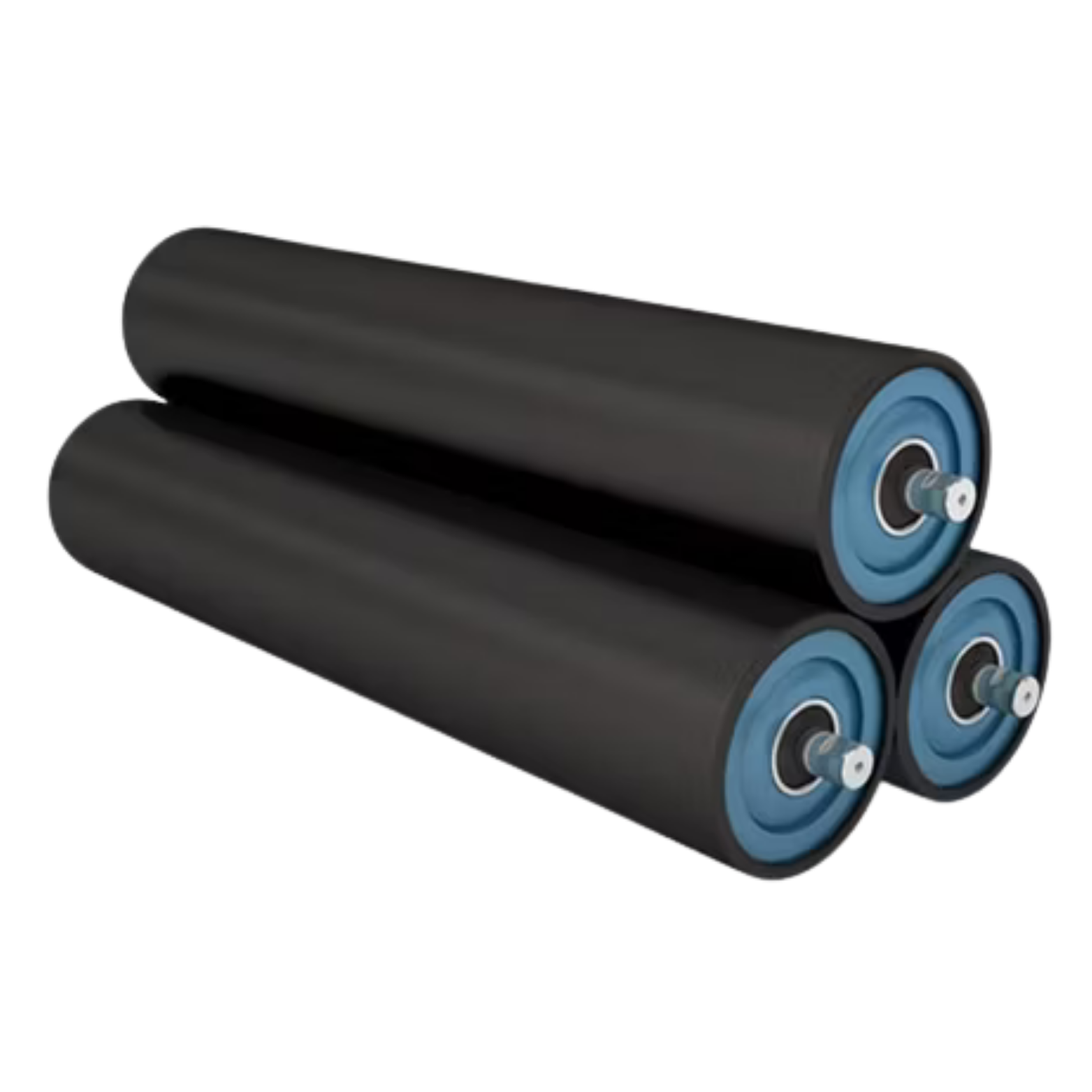
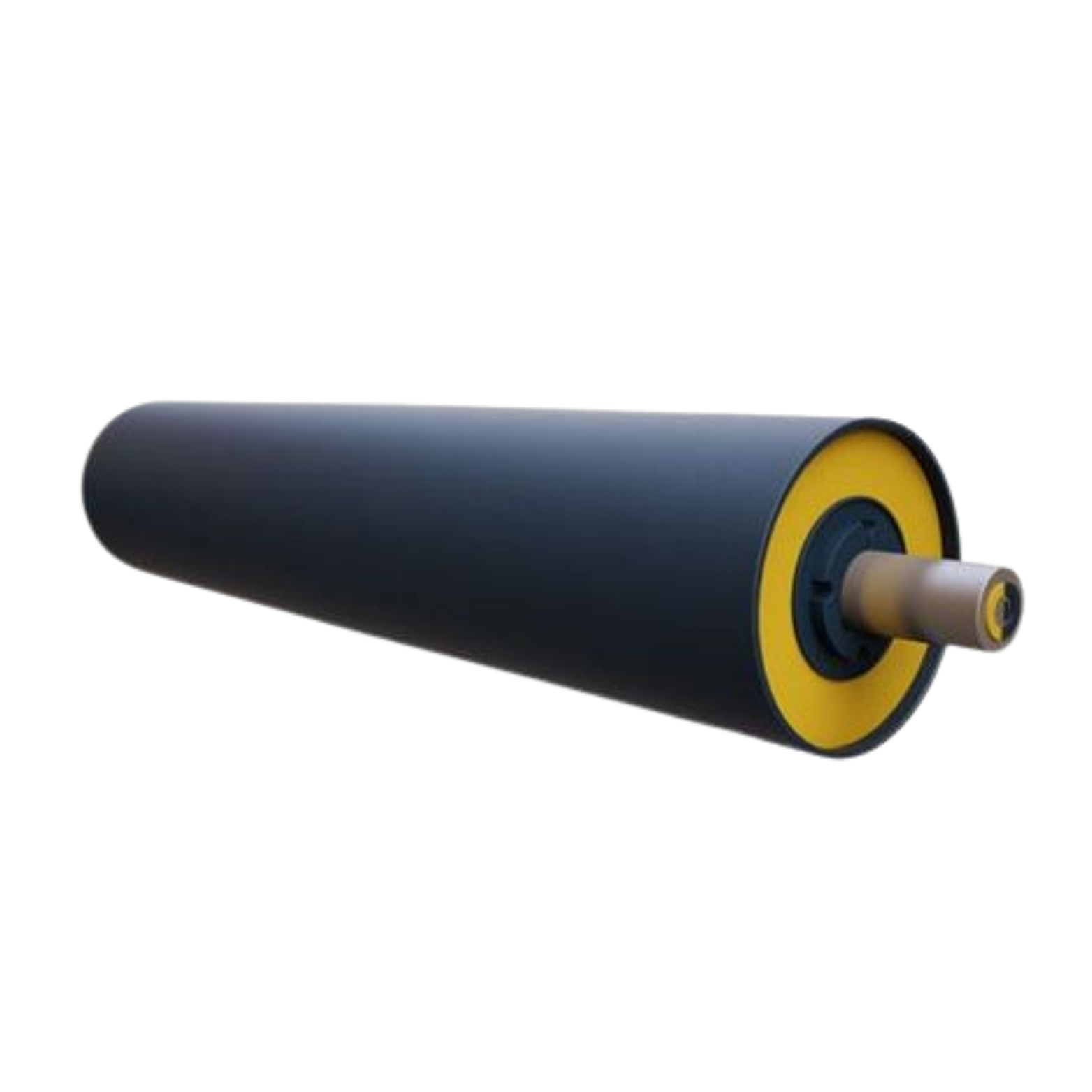
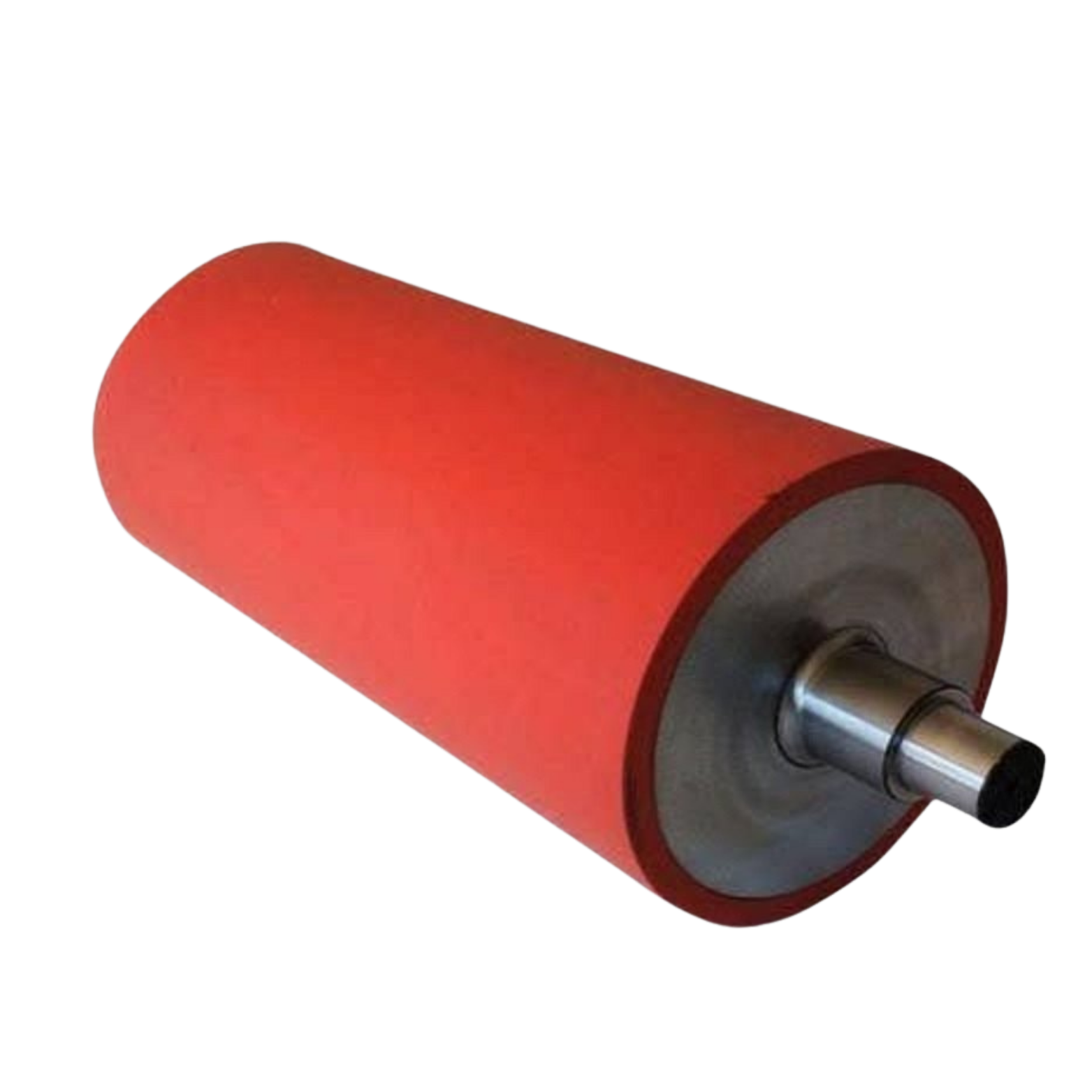
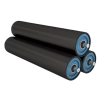
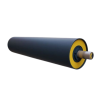
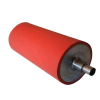
Rubber Rollers are precision-manufactured industrial components consisting of a steel or metal core coated with a high-performance rubber compound. They are designed to provide controlled friction, cushioning, and material handling performance in a wide variety of machinery and production line applications. Rubber rollers are widely used in industries where grip, impact absorption, and surface protection are key — from printing and packaging machines to conveyor systems and textile equipment.
The rubber coating can be formulated with different compounds such as natural rubber, EPDM, neoprene, nitrile (NBR), silicone, or specialized blends depending on the intended service conditions, including temperature, chemical exposure, abrasion, and load requirements.
🚀 1. Excellent Traction & Grip
The rubber surface provides high friction, ensuring reliable conveyance, feeding, or contact with material surfaces — reducing slippage and improving accuracy in processes like printing, embossing, and laminating.
🛡️ 2. Durable & Abrasion Resistant
Rubber coatings deliver excellent resistance to wear and impact, making the rollers suitable for continuous operation in demanding industrial environments.
📏 3. Custom Compound Options
Available in a variety of elastomer materials depending on:
Temperature tolerance
Chemical resistance
Hardness (shore A)
Surface texture
This allows selection of the optimum roller performance for specific processes.
🪶 4. Shock Absorption & Cushioning
Rubber’s elasticity helps cushion impact loads, reducing stress on machinery and minimizing product surface damage.
🔇 5. Noise Reduction
Rubber coating helps dampen noise and vibration during operations involving high-speed rotation or heavy loads.
🔧 6. Easy Integration
Manufactured to precise dimensions and tolerances, rubber rollers can be easily fitted into existing machines as replacements or upgrades.
🔄 7. Smooth Operation
Balanced design and quality rubber formulation ensure consistent rolling performance, minimal vibration, and extended service life.
Rubber Rollers are essential components in many industrial systems, including:
📦 1. Packaging & Printing Machinery
Used for feeding, tensioning, and guiding paper, film, foil, and textiles in:
Flexographic printing
Offset printing
Laminating machines
Converting lines
🏗️ 2. Conveyor Systems
Act as drive or idler rollers to transport goods, materials, or components along conveyors in manufacturing plants, warehouses, and logistics centers.
🧵 3. Textile & Fabric Processing
Ensure smooth handling of textiles, non-woven materials, and knitted fabrics in production and finishing equipment.
🛠️ 4. Woodworking & Laminating
Used on sanding machines, veneer applicators, and laminating lines to provide grip and uniform material movement.
🧪 5. Paper & Pulp Industry
Rubber rollers facilitate sheet movement, tension control, and pressure distribution in pulp processing and paper finishing machines.
⚙️ 6. Plastic & Film Extrusion
Ensure consistent pull, tension, and surface contact in film casting, extrusion, and calendaring operations.
🧰 7. Metalworking & Finishing
Coated rollers help in plating, etching, deburring, and surface treatment lines.
| Feature | Benefit |
|---|---|
| High-friction rubber coating | Improved grip and material handling |
| Wide range of compounds | Match the exact process environment |
| Shock & vibration damping | Smooth and quieter operation |
| Durable wear properties | Longer service life in heavy-use environments |
| Precision manufacturing | Easy integration and reliable performance |
Rubber rollers are versatile workhorse components that enhance machine functionality, reliability, and product quality across manufacturing, material handling, and processing industries.