+91 9824033952
Home / Product Details
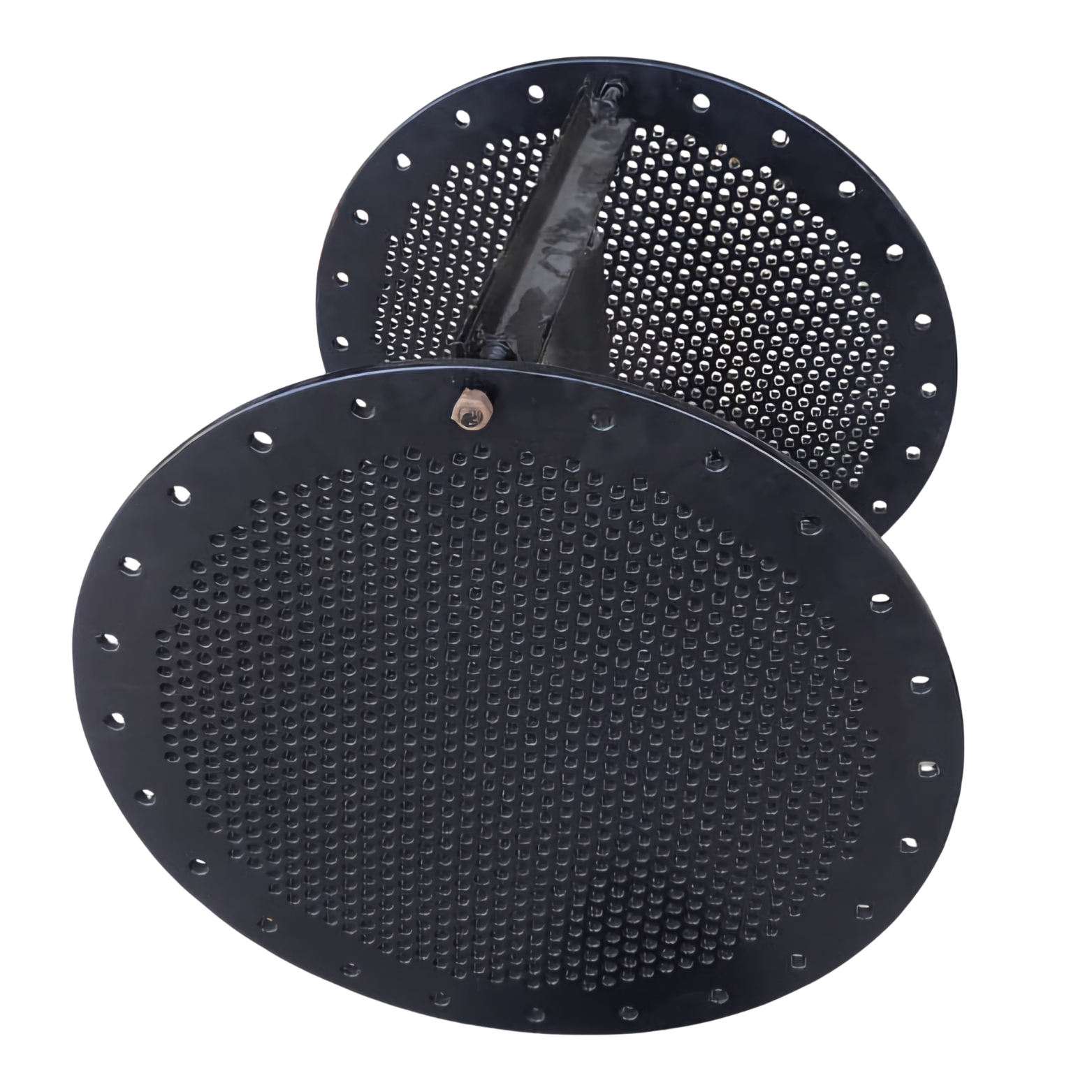
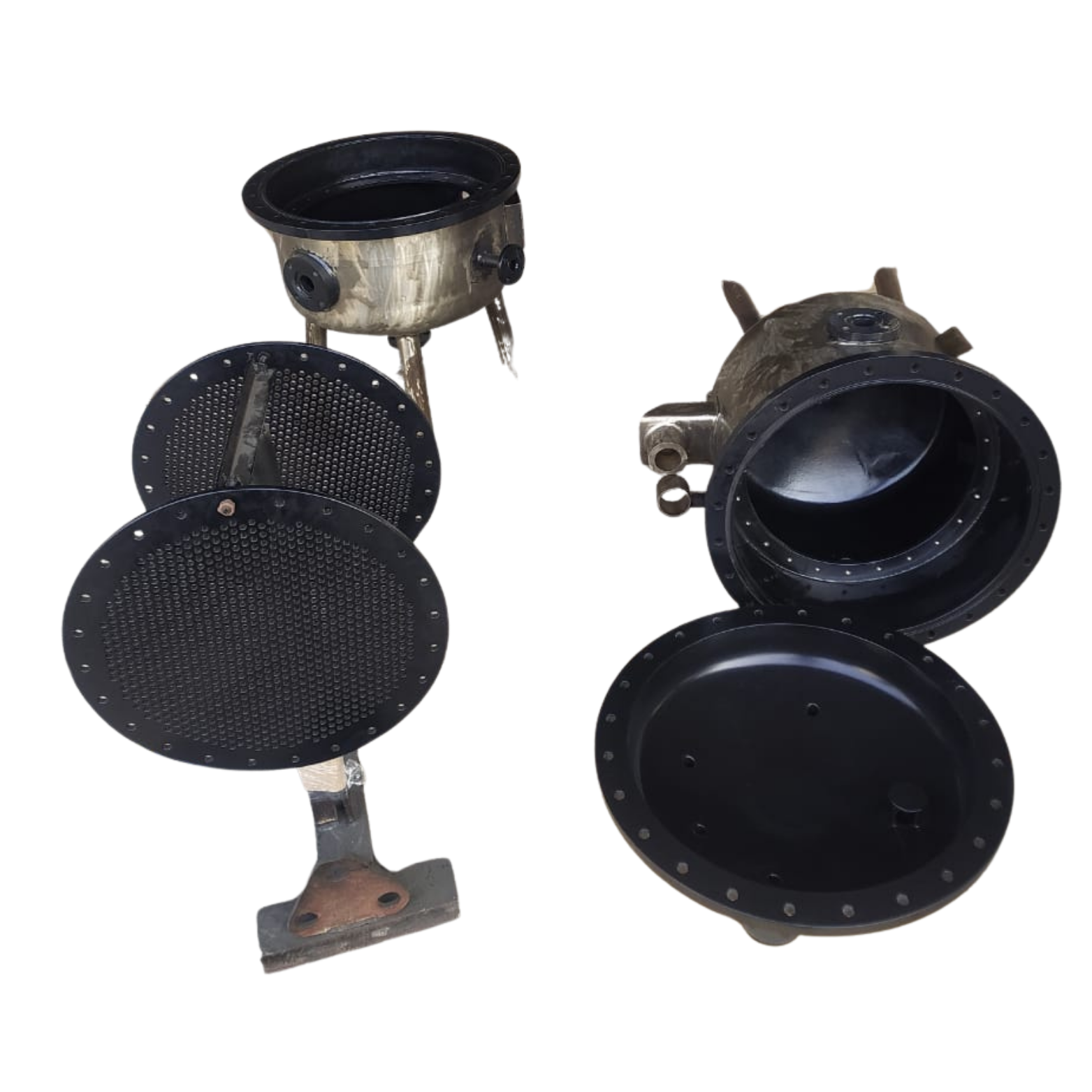
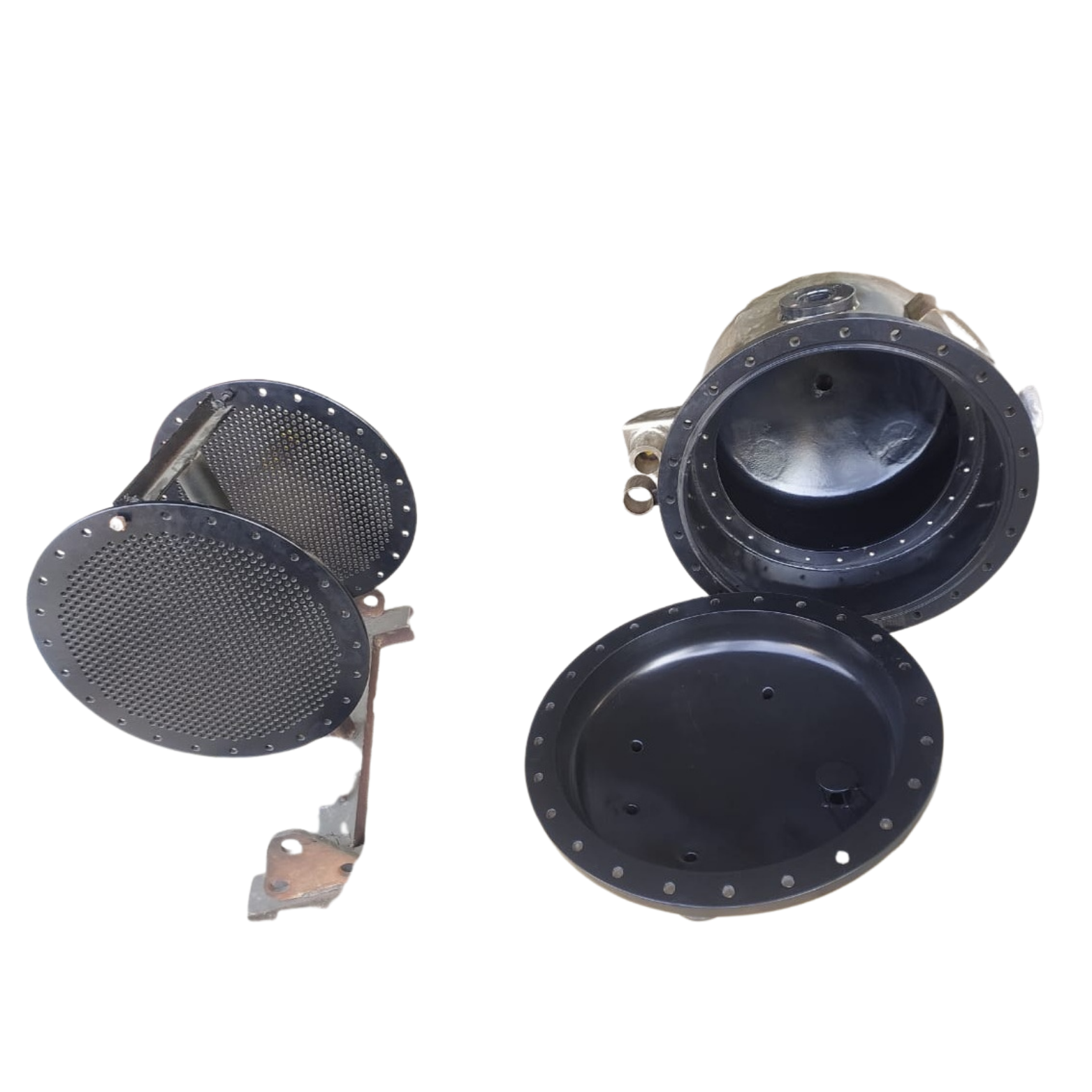
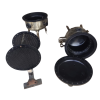
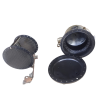
Antistatic Halar® Coating is a specialized version of ECTFE (Ethylene Chlorotrifluoroethylene) fluoropolymer coating engineered to dissipate static electrical charges while maintaining the exceptional chemical, corrosion, and permeation resistance of standard Halar coating.
This coating incorporates conductive or semi-conductive additives into the ECTFE matrix, allowing controlled dissipation of static electricity generated by fluid flow, agitation, friction, or powder handling. Antistatic Halar coating is critical in environments where static charge build-up can lead to sparking, ignition risks, product contamination, or equipment damage.
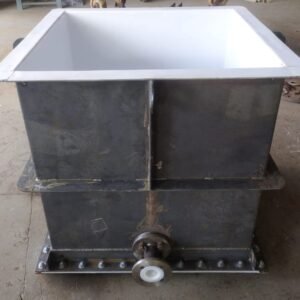
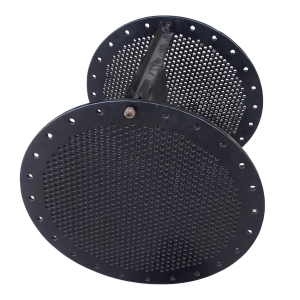
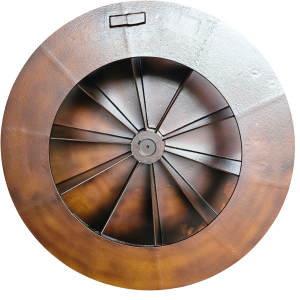
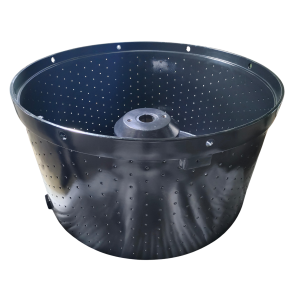
It is widely applied on MS / SS tanks, vessels, pipes, fittings, scrubbers, ducts, hoppers, reactors, and chemical process equipment, especially in flammable, explosive, or sensitive chemical service conditions.
Static Charge Dissipation
Prevents electrostatic build-up and reduces risk of sparking, ignition, and electrostatic discharge (ESD).
Excellent Chemical Resistance
Resistant to strong acids, alkalis, chlorinated chemicals, oxidizers, solvents, and aggressive process media.
Low Permeability Barrier
Provides superior resistance to gas and chemical permeation, ideal for chlorine, bromine, and corrosive vapors.
Non-Porous & Seamless Coating
Smooth, pinhole-free surface prevents chemical absorption, fouling, and contamination.
High Abrasion & Impact Resistance
Tough coating structure withstands mechanical stress, erosion, and handling damage.
Wide Temperature Capability
Suitable for continuous service up to 150°C, with excellent low-temperature performance.
Strong Adhesion to Metal Substrates
Fusion-bonded application ensures long-term coating integrity without peeling or blistering.
UV & Weather Resistant
Performs well in outdoor, marine, and industrial atmospheres.
Long Service Life & Low Maintenance
Significantly extends equipment life and reduces maintenance cycles.
Coating Type: Antistatic ECTFE (Halar®)
Application Method: Electrostatic powder coating & fusion bonding
Typical Thickness: 300 – 1000 microns (customizable)
Surface Preparation: Grit blasting (SA 2.5 recommended)
Electrical Property: Controlled surface resistivity for static dissipation
Finish: Smooth, seamless (typically black for antistatic grade)
Chemical & Petrochemical Plants
Tanks, reactors, pipes, scrubbers, and ducts handling flammable or static-prone chemicals.
Chlor-Alkali & Oxidizing Services
Equipment exposed to chlorine gas, hypochlorite, and aggressive oxidizers where static control is critical.
Solvent & Flammable Media Handling
Systems transferring hydrocarbons, solvents, and volatile chemicals.
Pharmaceutical & Specialty Chemical Industries
High-purity, controlled environments requiring both corrosion protection and ESD safety.
Powder Handling & Pneumatic Conveying
Hoppers, chutes, and ducts where friction-induced static can occur.
Water & Wastewater Treatment
Chemical dosing systems with static-sensitive environments.
Oil & Gas & Refineries
Corrosion-resistant and antistatic protection for critical process equipment.
| Advantage | Benefit |
|---|---|
| Antistatic properties | Prevents ESD & ignition risks |
| Excellent chemical resistance | Performs in extreme environments |
| Low permeability | Protects against corrosive vapors |
| Seamless high-build coating | Long-term corrosion protection |
| UV & weather resistance | Suitable for outdoor installations |