Key Features & Benefits
🔧 1. Strong & Reliable Joint Integrity
Jointing solutions ensure that conveyor belts operate as a continuous loop, maintaining strength, flexibility, and load-bearing capacity with minimal joint failure.
🛠️ 2. Versatile Jointing Methods
Multiple options available:
-
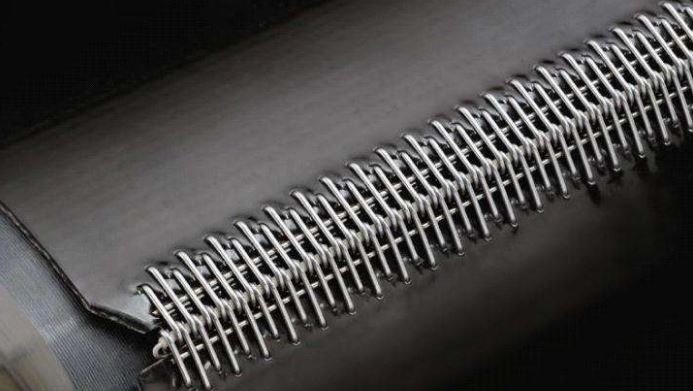
Mechanical Fasteners & Lacing: easy installation, quick replacements
-
Vulcanized Joints: seamless, high-strength joints
-
Cold Bonding Adhesives: field-ready jointing without heat equipment
Choose the method based on belt type, width, thickness, and environmental conditions.
🔩 3. Reduced Downtime
Quick, reliable jointing methods (especially mechanical and cold bonding) minimize conveyor shutdown duration — improving productivity and reducing operational disruption.
📐 4. Consistent Belt Tracking & Performance
Proper jointing maintains belt alignment and tension, reducing off-tracking, edge wear, spillage, and damage to conveyor components.
🛡️ 5. Extended Belt Life
Well-executed joints distribute stress evenly across the belt, reducing fatigue and prolonging belt service life.
⚙️ 6. Easy Inspection & Maintenance
Jointing systems (like mechanical fasteners) allow simple inspection and service without complex tools, facilitating routine maintenance.
🔄 7. Customizable Solutions
Jointing kits and materials available for various belt widths, thicknesses, and applications, including heavy-duty and high-speed conveyors.
Applications
Belt Jointing is essential wherever conveyor systems are used for material movement:
📦 1. Material Handling & Warehousing
Conveyor belts in distribution centers, packaging lines, and logistics hubs.
🏗️ 2. Mining & Quarrying
Heavy-duty belts transporting ore, coal, aggregates, and minerals.
🛠️ 3. Cement & Bulk Material Processing
Bulk conveyors handling limestone, clinker, fly ash, and sand.
🧪 4. Food & Beverage
Conveyor systems moving packaged goods and raw materials (with suitable belt surfaces and joint types).
⚡ 5. Power Plants
Ash, coal, and material transfer conveyors.
🚢 6. Ports & Terminals
Marine cargo and bulk handling conveyors.
🧰 7. Manufacturing & Production Lines
Conveyor belts in automated assembly and production systems.
| Method |
Advantages |
Ideal For |
| Mechanical Fasteners |
Quick to install, easy maintenance |
Heavy loads, dirty environments |
| Lacing / Clips |
Cost-effective, rapid field solution |
Medium-duty conveyors |
| Vulcanized Joints |
Seamless, strongest bond |
High-speed, heavy-duty belts |
| Cold Bonding Adhesive |
No heat equipment needed |
Field repairs, quick fixes |